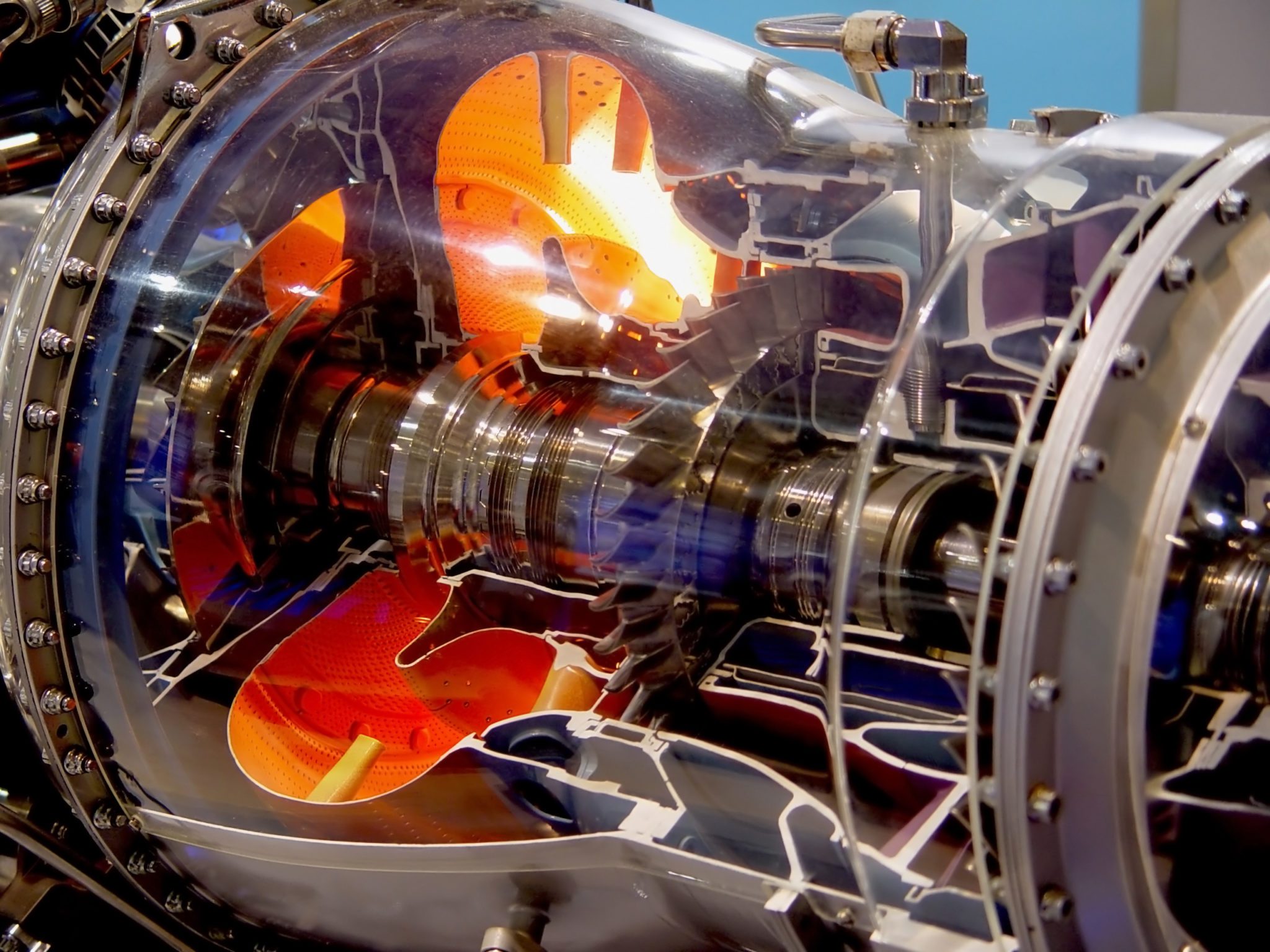
Intellectual assets in the mechanical industry and automation
Companies in this industry often develop values that consist of far more than the physical product. Product architecture, control systems, production methods, software, technical data, design and specialized know-how can be at least as important as the machine or component that is delivered.
Patents can protect new technical solutions, designs, systems and procedures. For technologies with a long commercial life or high copying potential, a patent can provide an important competitive advantage.
Trade secrets and know-how are particularly relevant to production processes, algorithms, calibration, tolerances, test data and other knowledge that cannot easily be revealed through the end product. Such information must be identified and handled systematically if it is to be kept confidential.
Software, data and copyright are becoming increasingly important when mechanical systems are connected to sensors, automation, remote control and digital services. It should be clear who owns source code, training and operational data, documentation and further developed solutions.
Designs and trademarks can protect the visual design of products and the commercial identity the company builds in the market. This can be important when technical products are launched internationally or are included as visible components in larger systems.
Key IP challenges
Who owns the results of the development work?
New products are often developed through collaboration between manufacturers, customers, subcontractors and technology partners. Without clear agreements, uncertainty can arise about who owns existing technology, new solutions, improvements, data and the right to further commercialisation.
Ownership and rights of use should therefore be clarified before development work starts, not only when the product is ready for the market.
Should the solution be patented or kept secret?
Patent protection and secrecy cover different needs. A patent may be appropriate when the technology can be copied or disclosed from the product, while secrecy may be more suitable for production processes and knowledge that can be kept in-house over time.
The choice should be considered based on the lifetime of the technology, the market, the possibility of detecting interventions and the commercial goals of the business.
Does the company have room for maneuver?
Products in mechanics and automation can combine technology from many disciplines. This increases the risk that a new solution affects other people's patents or other rights.
An early Freedom to Operate analysis can reveal risk before the company has invested significant resources in development, production tools, certification or market launch. The analysis can also provide a basis for adapting the product, entering into licensing agreements or choosing other markets.
How to protect technology that needs to be shared?
Technical information often needs to be shared with suppliers, test environments, manufacturers, and potential customers. Confidentiality agreements are important, but are rarely sufficient on their own.
Companies should also seek to have control over what information is shared, who gets access, how the information is documented, and whether disclosure may affect the possibility of later patent protection.
How to secure the values in an international value chain?
Production, assembly and distribution often take place in several countries. Rights that are only protected in Norway do not necessarily provide sufficient control in markets where the product is manufactured, sold or copied.
Protection should therefore be prioritised in light of the company's production sites, key markets, competitors and future growth plans.
How we help businesses in the mechanical industry and automation
Acapo Onsagers combines legal, technical and commercial IP expertise. Among other things, we assist with:
- mapping of technology and intellectual assets, so that the company has an overview of what should be protected, documented or regulated
- development of IP strategy adapted to business model, value chain, markets and commercial goals
- patent and design protection in Norway and internationally
- patent searches, patent landscape analyses and Freedom to Operate analyses
- Development, collaboration, confidentiality, licensing and technology transfer agreements
- protection of trade secrets, software, data and know-how
- Enforcement of rights and assistance in conflicts and disputes
We can also assist with investments, acquisitions and other transactions where it is necessary to document ownership, protection and risk related to the company's technology and IP portfolio.
Why industry knowledge is important
Good IP advice requires an understanding of how the technology is developed, manufactured, integrated and sold. It is not sufficient to consider one mechanical component in isolation if the product's competitive advantage lies in the interaction between design, electronics, software, data and manufacturing knowledge.
Our advisors are familiar with the issues that arise in technology-intensive development projects, international supply chains and collaboration between small niche companies and larger industrial players. This enables us to develop IP solutions that support the company's actual business model and growth plans.