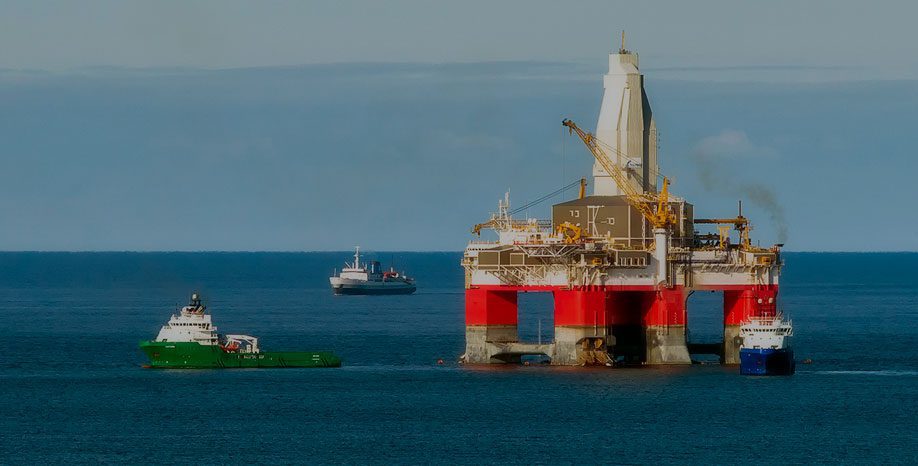
Intellectual property assets in the oil - and gas industry
For companies in the oil and gas industry, it is particularly important to control:
- Patents and technology related to, among other things, subsea equipment, drilling technology, sensors, monitoring systems, processing plants and solutions for carbon capture and storage.
- Software and data used for seismic analysis, reservoir modelling, production optimisation, predictive maintenance and autonomous operations.
- Trade secrets and know-how in the form of methods, work processes, algorithms and technical expertise that are not necessarily suitable for patenting.
- Agreements and licensing rights that regulate the use, development and commercialisation of technology across companies and national borders.
- Brands and reputational values that build trust with operators, authorities and partners in a global market.
For many companies, these intangible assets are at least as important as the physical assets. A deliberate strategy for managing intellectual property rights can help ensure a return on innovation investments and strengthen the company's market position.
Important IP-challenges in the oil- and gas industry
The development of new technology rarely takes place in isolation. Operators, suppliers, technology companies and research communities often work closely together to solve complex technical challenges. This creates a number of issues related to intangible assets, which companies should clarify before the collaboration begins, or as early as possible in the innovation process.
How to ensure ownership when technology is developed in collaboration?
Joint development projects can create ambiguity about who owns the results. Clear agreements on ownership, rights of use, licensing and commercialisation are crucial for successful collaboration and to avoid conflicts at a later stage.
When should innovations be patented?
Not all technology should be protected in the same way. For some solutions, patents will provide strong and long-term protection, while other innovations can be better safeguarded through confidentiality and protection such as trade secrets.
How to protect technology internationally?
Many solutions developed for the Norwegian shelf have great potential in international markets. Companies must therefore consider where and how the technology is to be protected, how the rights are to be enforced, and which markets are most strategically important.
How to avoid infringing on the rights of others?
Technological solutions are often built on existing technology. Thorough examination of patent rights and technology landscapes can reduce the risk of costly disputes or delays in development projects.
How we help businesses in oil and gas
Acapo Onsagers combines expertise in intellectual property rights with an understanding of the technological development that characterizes the energy and ocean industries. We help companies identify, protect and exploit innovation throughout the value chain, from early research and development to commercialization and international expansion.
Among other things, we assist with:
- Mapping and valuation of intangible assets.
- Designing IP strategies that support the company's business goals.
- Patent protection of technological solutions.
- Freedom-to-operate analyses and assessment of risks related to third-party rights.
- Advice on trade secrets, know-how and confidentiality.
- Preparation and negotiation of cooperation, development and licensing agreements.
- International protection and commercialization of technology.
- Dispute management and enforcement of intellectual property rights.
Through a holistic approach, we help companies realise the value of technology development while reducing risk and strengthening competitive advantage.
Why industry knowledge is important
Acapo Onsagers has experience from the entire energy and offshore value chain. We know the interactions between operators, suppliers, technology companies and research communities, and understand the regulatory, commercial and technological frameworks within which the industry operates. This enables us to provide strategic advice that not only protects the technology, but also supports the company's long-term business goal of Linking IP to Business™.
Whether your goal is to develop new subsea technology, establish carbon storage solutions, improve production efficiency or bring innovations to international markets, we can provide advice that ensures that intangible assets become an active part of the company's competitive strategy.